He was alone on a burning tank destroyer that could explode under him at any second. Below him, six German tanks and waves of infantry crossed a frozen field in eastern France. He was 19 years old, already wounded in the leg, and he stayed on that wreck for almost an hour, firing its machine gun until the ammunition ran out. Then he climbed down and led a counterattack.
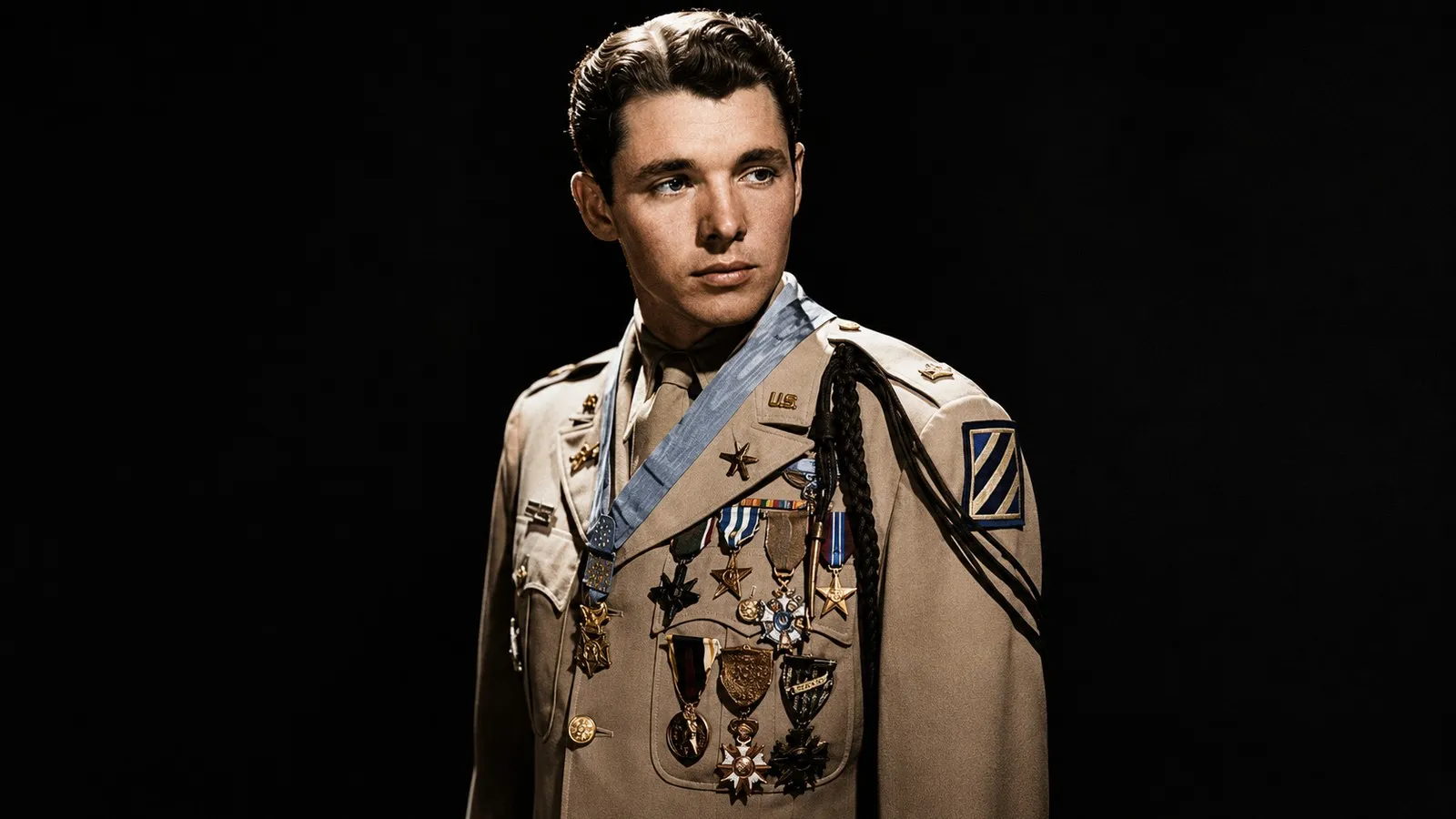
This is the true story of Audie Murphy, the most decorated American combat soldier of World War II. He earned 33 awards, including the Medal of Honor, before his 21st birthday. Then he went to Hollywood, played himself in a hit film about his own war, and spent the rest of his life speaking about a wound the Army had no name for yet. The medals are the easy part of the story. What the war did to him afterward is the part most accounts skip.
Who was Audie Murphy?
Part of our complete Medal of Honor series, covering the history of America’s highest military award and the recipients whose actions defined valor in combat.
Audie Leon Murphy was born on June 20, 1925, in Kingston, Texas, the seventh of twelve children in a family of poor sharecroppers. His enlistment papers said 1924. He had added a year to meet the minimum age, because by 1942 the war was the best job a Texas farm boy with a fifth-grade education could find. His father had left. His mother had died. Murphy needed the pay, and he wanted to fight.
The Marines turned him down for being too small. So did the paratroopers. The Army took him at 5 feet 5 inches and roughly 110 pounds, and sent him to Company B, 1st Battalion, 15th Infantry Regiment, 3rd Infantry Division. Over the next two years he fought through Sicily, the Italian mainland, the landings in southern France, and the long grind toward Germany. He was promoted from private to second lieutenant on the battlefield. By the time the war ended, the smallest recruit the Army almost rejected had become its most decorated combat soldier.
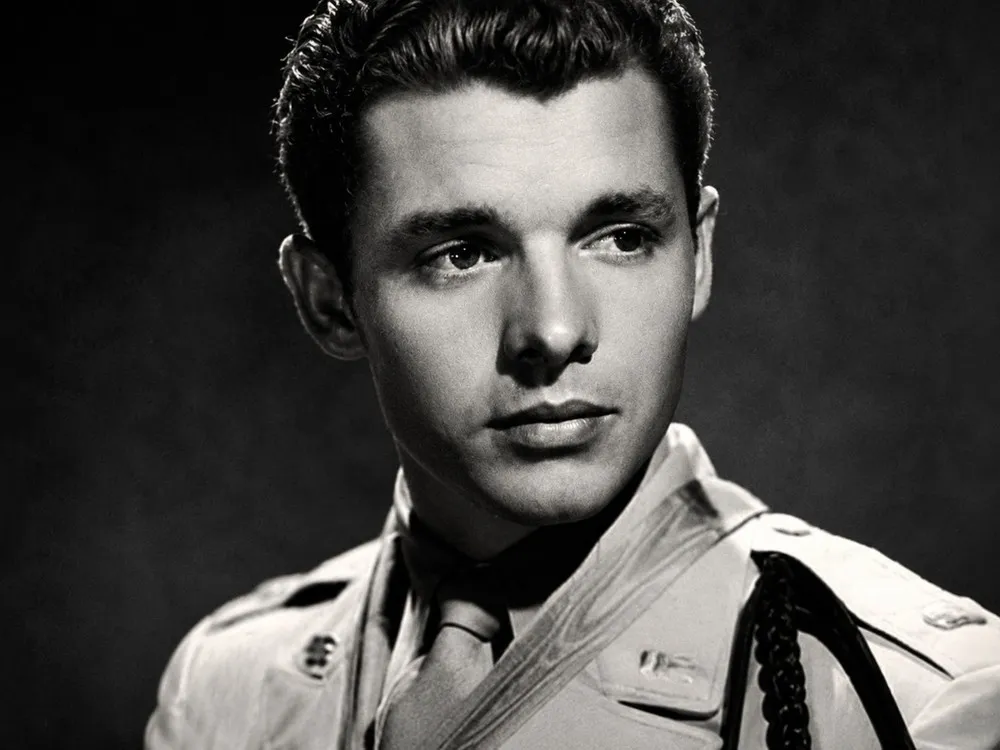
How did a teenage private become a decorated officer?
Murphy’s Medal of Honor is the famous award. It was not the first time he held a position alone while everyone around him took cover. The pattern showed up more than a year earlier, and it earned him almost every other decoration the Army had.
On August 15, 1944, during the first wave of the Allied invasion of southern France near Ramatuelle, German soldiers ambushed his platoon. Murphy grabbed a machine gun, returned fire, and killed six, wounded two, and took eleven prisoners. That action earned him the Distinguished Service Cross, the second-highest award for valor in the U.S. Army.

In October 1944, in the Vosges mountains, he earned two Silver Stars three days apart. On October 2, he wiped out a German machine-gun position at the L’Omet quarry in the Cleurie valley, killing four and wounding three. Three days later he crawled out alone toward the same German lines, carrying an SCR-536 radio, and directed his men’s fire for an hour while the enemy shot directly at him. When the hill finally fell, 15 Germans were dead and 35 wounded. On October 14 the Army gave him a battlefield commission to second lieutenant and made him a platoon leader. He was still a teenager.
Read those actions next to Holtzwihr and the famous stand stops looking like a single freak of courage. It looks like the last and largest example of something Murphy had been doing for over a year. He held ground alone. He directed fire under direct attack. He did the job after the men beside him could no longer do theirs.
What did Audie Murphy do to earn the Medal of Honor?
On January 26, 1945, near the village of Holtzwihr in eastern France, Second Lieutenant Murphy commanded Company B as it was hit by six German tanks and waves of infantry. He ordered his men back into a defended tree line. He stayed forward at his command post, calling in artillery by field telephone while the attack rolled toward him.
A nearby M10 tank destroyer took a direct hit and caught fire, its crew dead or gone. Murphy climbed onto the burning vehicle, which carried a full load of fuel and ammunition and could have detonated at any moment. He turned its .50 caliber machine gun on the advancing Germans. For close to an hour he held the position by himself, killing or wounding about 50 enemy soldiers and breaking up the infantry attack while German tanks passed within yards of him. He took a wound in the leg and kept firing. Only when the gun ran dry did he climb down, refuse first aid, and organize the counterattack that pushed the Germans back.
The Audie Murphy Medal of Honor citation, preserved by the Congressional Medal of Honor Society, credits him with “conspicuous gallantry and intrepidity at the risk of his life above and beyond the call of duty.” He received the medal from Lieutenant General Alexander Patch on June 2, 1945. He was 19.
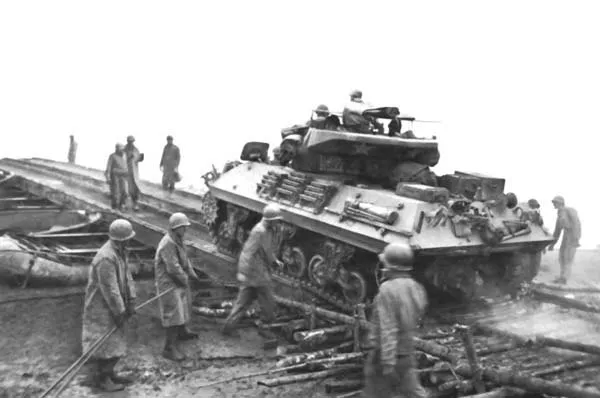
What was the Colmar Pocket, and why did it matter?
The fight at Holtzwihr was part of the battle to clear the Colmar Pocket, a bulge of German-held territory on the west bank of the Rhine in the Alsace region. The Germans had held it since late 1944, and it threatened the southern flank of the Allied advance into Germany. Clearing it fell to the U.S. Seventh Army and the French First Army through January and early February 1945.
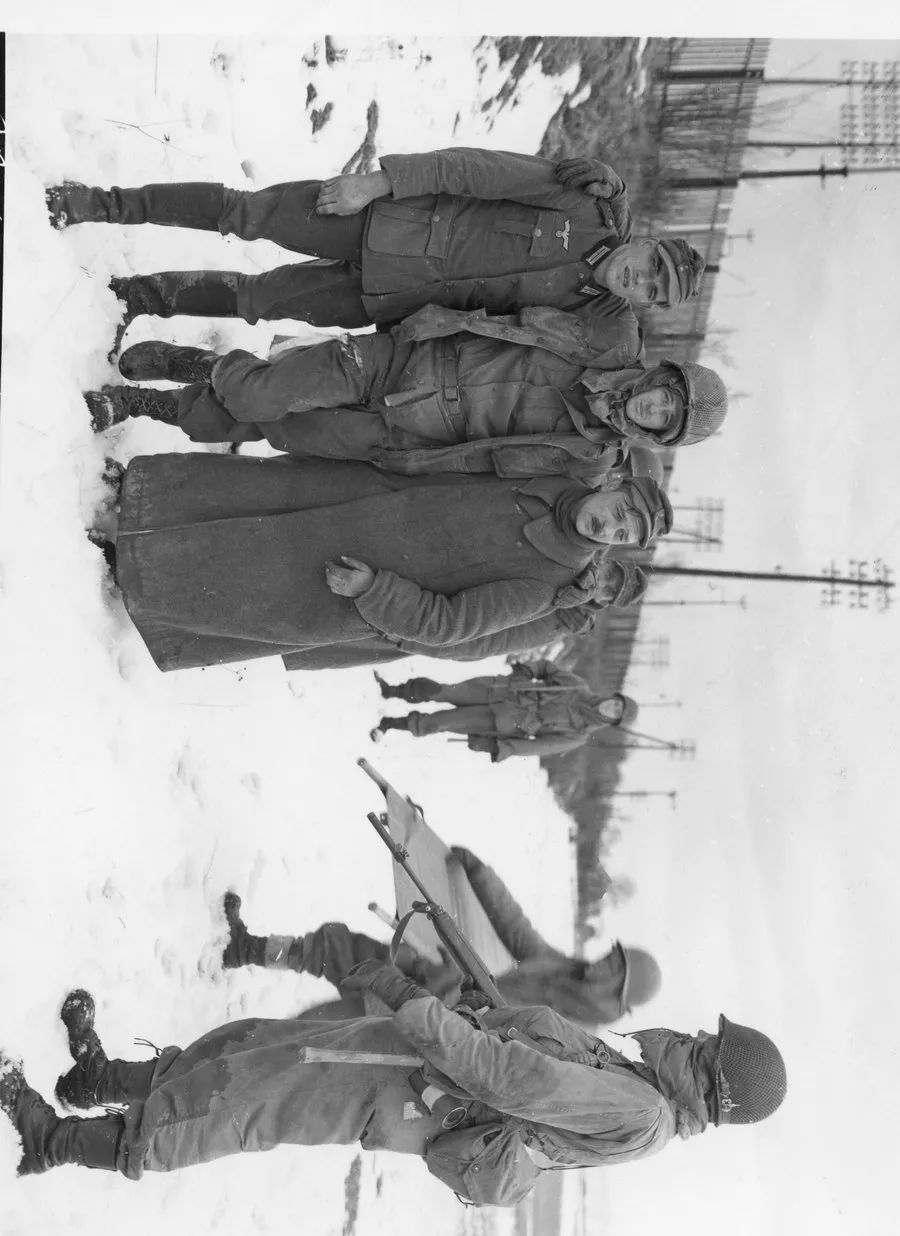
The conditions were brutal. Soldiers fought in deep snow, freezing fog, and mud, with temperatures well below zero. Frostbite filled the aid stations alongside the wounded. The 3rd Infantry Division was central to closing the pocket, and the fighting cost thousands of American and French casualties before the Germans were finally pushed back across the Rhine in early February. This detail matters later, because when Hollywood filmed Murphy’s stand a decade afterward, it left the winter out entirely. Murphy noticed, and it bothered him for the rest of his life.
How many medals did Audie Murphy actually win?
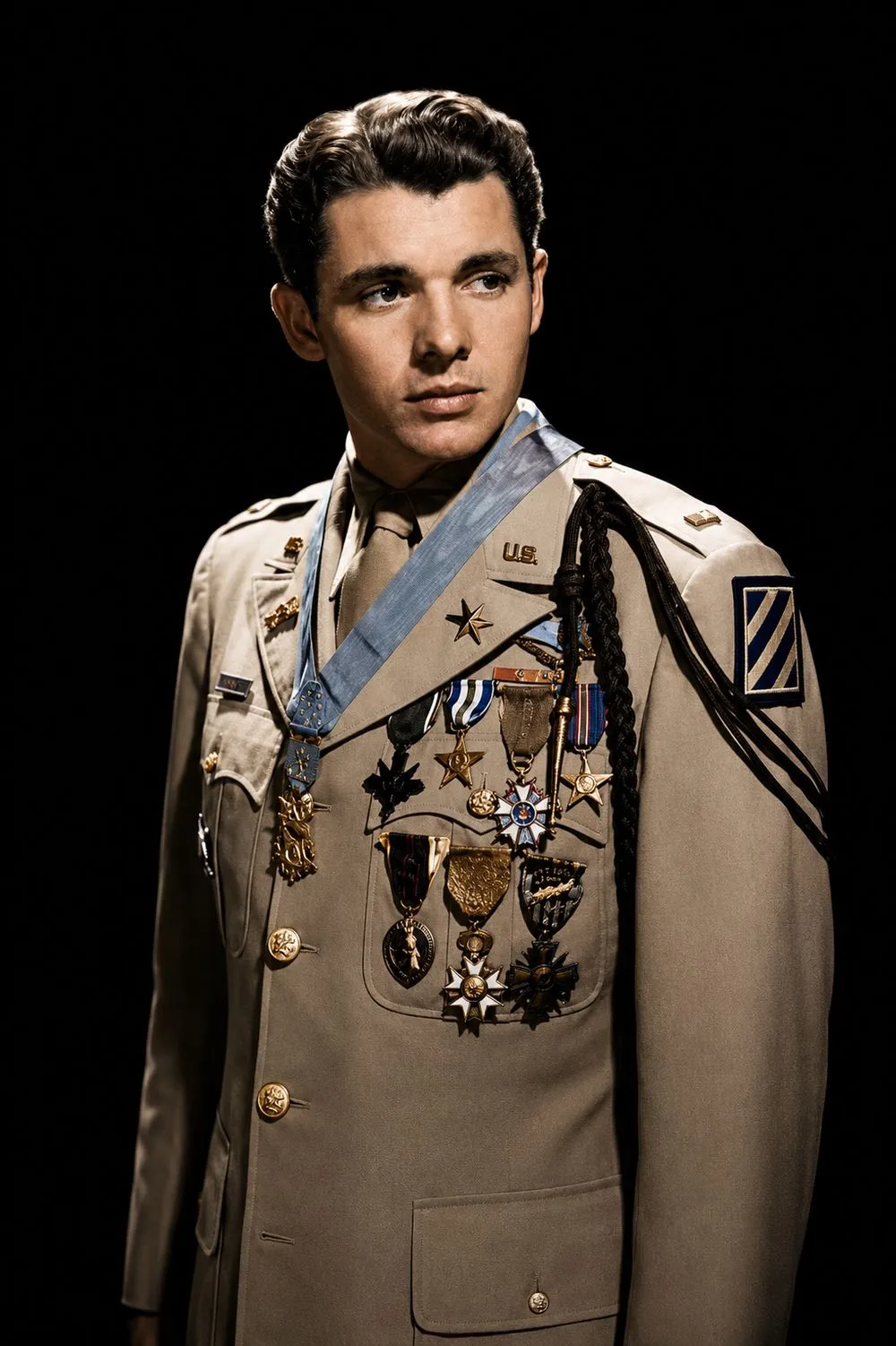
Murphy received 33 U.S. awards and decorations, plus several from France and Belgium. He earned every valor award the U.S. Army could give. The list reads like a summary of the entire war in one man’s service record.
- Medal of Honor
- Distinguished Service Cross
- Silver Star, with one oak leaf cluster (awarded twice)
- Legion of Merit
- Bronze Star Medal, with “V” device and one oak leaf cluster
- Purple Heart, with two oak leaf clusters (wounded three times)
- French Légion d’honneur, Grade of Chevalier
- French Croix de Guerre, with silver and bronze palms (awarded twice)
- Belgian Croix de Guerre 1940 Palm
He fought in nine major campaigns across the Mediterranean and European theaters. The total made him the most decorated American combat soldier of the Second World War, a distinction historians still credit to him today. He remains the most decorated soldier in WW2, a record no American has matched since. He was not yet old enough to vote.
Did Audie Murphy really play himself in a movie?
Yes. In 1955, Murphy starred as himself in To Hell and Back, a Universal film based on his 1949 memoir of the same title. The book had been a bestseller, and the studio first wanted a different actor for the lead. Murphy resisted, then agreed to play the part himself. The film traces his service from raw recruit to the Holtzwihr stand that ends the picture.
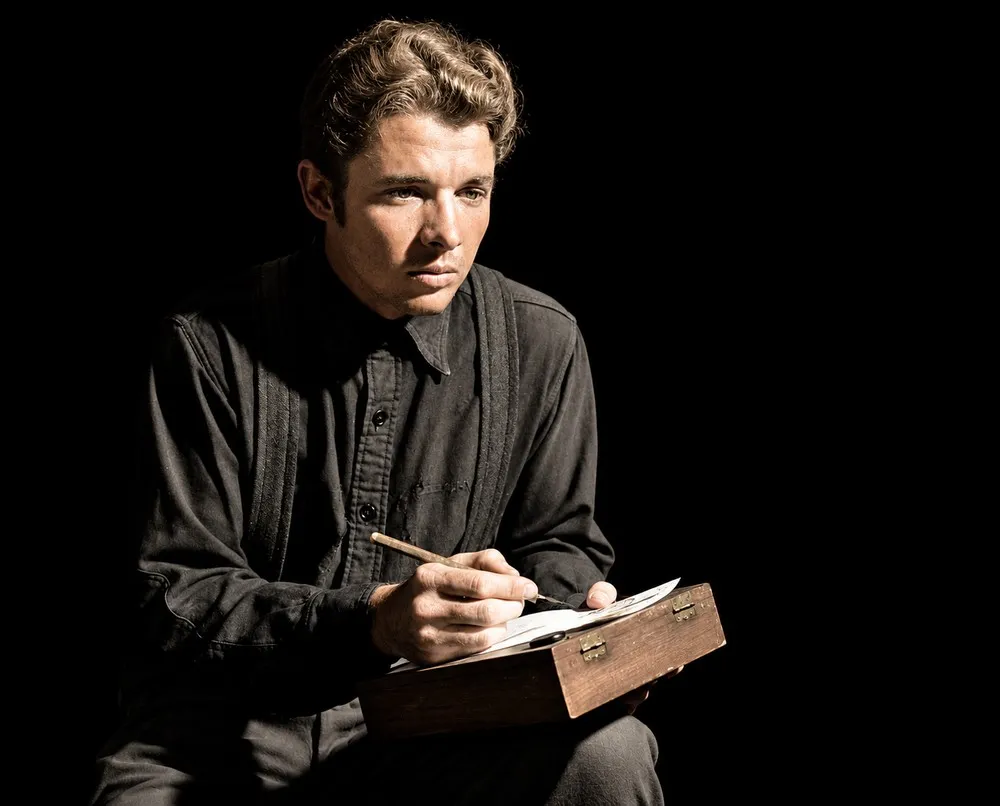
To Hell and Back became Universal’s highest-grossing film and held that record for 20 years, until Jaws passed it in 1975. It made Murphy a movie star and launched a screen career of more than 40 films, most of them Westerns, that ran from 1948 to 1969.
He was honest about its flaws. The climactic battle shows a bright, sunny day over green fields. The real fight happened in freezing snow and mud. Murphy later said he wished the film had shown the true winter conditions, because that would have given more credit to the men who fought and died there beside him. He also asked the filmmakers to play down his own role, worried the movie made him look braver than the soldiers who never came home.
Is the movie Fury based on Audie Murphy?
No. The 2014 Brad Pitt film Fury is a work of fiction written by director David Ayer. Its tank crew and its commander are invented, drawn loosely from the experiences of several real Allied tankers rather than one person.
The confusion is understandable. The final scene of Fury, in which a single disabled tank crew holds off a much larger German force from a fixed position, echoes Murphy’s real stand at Holtzwihr on the burning M10. Film historians have noted the resemblance. But an echo is not a basis. Murphy’s fight inspired the spirit of that last stand, the way many true events feed a fictional script, without the movie being his story. The real version is the one that earned the Medal of Honor, and it is far stranger than anything a screenwriter would dare invent.
What happened to Audie Murphy after the war?
The fame and the films hid a harder story. Murphy came home with what the Army then called “battle fatigue.” Today it is called post-traumatic stress disorder. He slept with a loaded pistol under his pillow. He had nightmares and long stretches of insomnia, and for a time he became dependent on sleeping pills before forcing himself off them by locking himself in a motel room for a week.
What set Murphy apart was that he talked about it in public, at a time when almost no one did. He gave interviews describing the nightmares and the strain, and he pressed the government to study the emotional cost of combat and to care for returning veterans. He was one of the first famous American soldiers to treat the mental wounds of war as real and worth naming. Veterans’ groups now point to that advocacy as one of his most lasting contributions, separate from anything he did on a battlefield.
His later years were unsettled. Acting work slowed. He gambled heavily, lost most of his money, and got involved in business ventures that failed. The decorated hero who could not be killed by six German tanks struggled with an ordinary peacetime life he had never been trained for. The same restlessness that carried him through nine campaigns gave him no rest at home.
How did Audie Murphy die?
Murphy died on May 28, 1971, at age 45. He was a passenger on a small private plane that crashed into the side of a mountain near Catawba, Virginia, in heavy fog and rain. All six people aboard were killed. He was on a business trip.
He was buried with full military honors at Arlington National Cemetery on June 7, 1971, in Section 46, near the Tomb of the Unknown Soldier. So many visitors came that the cemetery built a stone walkway to handle the foot traffic. His grave is the most visited at Arlington after that of President John F. Kennedy.
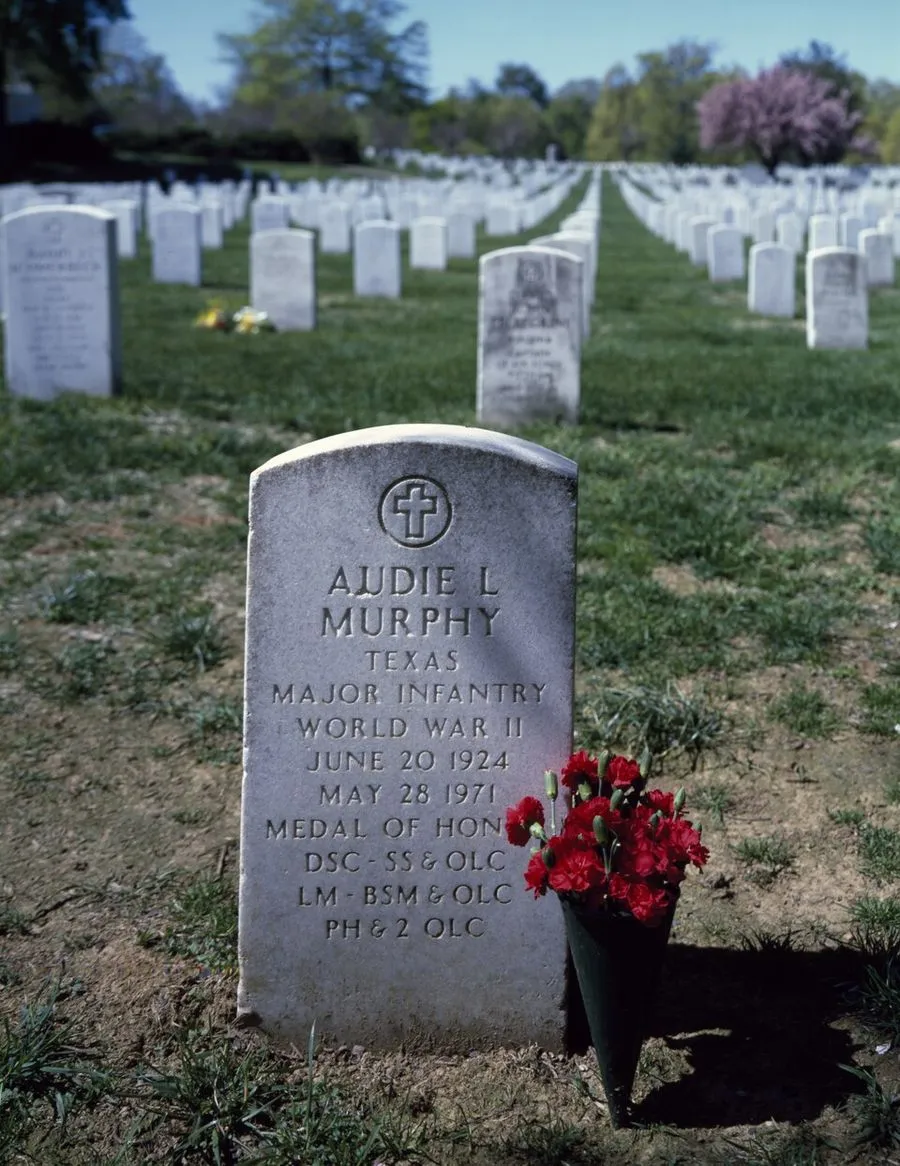
One detail says more than the medal count. When Arlington replaced the headstones of Medal of Honor recipients with the gold-leaf markers reserved for the award, Murphy’s family asked that his be left plain, a standard white government headstone like every other soldier’s. That was what he had wanted. The most decorated American combat soldier of the war chose, in the end, to lie under the same stone as the privates he fought beside.
Why does Audie Murphy still matter?
The Audie Murphy Medal of Honor story tends to crowd out the rest of his life. Most war heroes are remembered for one thing. Murphy left three. He was the soldier who held Holtzwihr alone. He was the actor who turned his own war into one of the most successful films of the 1950s. And he was the public figure who said out loud, before the country was ready to hear it, that combat breaks the mind as surely as it breaks the body.
The third part is the one that aged best. The condition Murphy described as battle fatigue is now diagnosed, studied, and treated in every branch of the military. He did not invent that change by himself. But a Medal of Honor recipient admitting he slept with a pistol and could not stop the nightmares carried a weight that no doctor’s report could match. For a generation of veterans told to simply move on, Audie Murphy was proof that the strongest soldier in the war carried the same wound they did. He died on the way to a business meeting, not on a battlefield, but the men who study combat trauma today owe part of their field to a Texas farm boy who refused to pretend he had come home whole.
Related Medal of Honor stories
- Desmond Doss: the unarmed medic of Hacksaw Ridge and the moments Hollywood cut
- Hershel “Woody” Williams: the last surviving WWII Medal of Honor recipient
- John Chapman: the combat controller who fought alone on Takur Ghar
Frequently asked questions
Who was the most decorated soldier in WW2?
Audie Murphy was the most decorated soldier in WW2. He received 33 US awards and decorations, including the Medal of Honor, the Distinguished Service Cross, and two Silver Stars, plus French and Belgian honors, all before his 21st birthday.
Was Audie Murphy the most decorated American soldier?
Yes. Murphy is widely recognized as the most decorated American combat soldier of World War II. He received 33 U.S. awards and decorations, including the Medal of Honor, the Distinguished Service Cross, and two Silver Stars, along with French and Belgian honors. He earned every valor award the U.S. Army could give.
How old was Audie Murphy when he earned the Medal of Honor?
He was 19 years old at the Holtzwihr action on January 26, 1945, and 20 when the medal was presented on June 2, 1945. He had lied about his age to enlist in the Army in 1942 (he had been rejected a year earlier, at 16), so his official records list him as a year older than he was.
Did Audie Murphy have PTSD?
Yes. Murphy lived with what was then called “battle fatigue,” now known as PTSD. He had nightmares and insomnia and slept with a loaded pistol. He spoke openly about it and urged the government to study and treat the mental wounds of combat veterans, making him an early public advocate for veteran mental health.
What movie did Audie Murphy make about himself?
To Hell and Back (1955), based on his 1949 memoir, with Murphy playing himself. It became Universal’s highest-grossing film for 20 years, until Jaws in 1975. He appeared in more than 40 films overall, mostly Westerns, between 1948 and 1969.
Where is Audie Murphy buried?
He is buried at Arlington National Cemetery in Section 46, near the Tomb of the Unknown Soldier. His grave is the most visited at Arlington after President John F. Kennedy’s. At his family’s request, his headstone is a plain government marker rather than the gold-leaf Medal of Honor stone.
Sources
- Medal of Honor citation and recipient record: Congressional Medal of Honor Society, “Audie L. Murphy”
- Burial and grave history: Arlington National Cemetery, “Audie Murphy”
- Murphy, Audie. To Hell and Back. Henry Holt and Company, 1949 (memoir).
Correction, October 25, 2026: An earlier version of this article gave Audie Murphy’s age as 20 when he received the Medal of Honor and 46 at his death. Born June 20, 1925, he was 19 and 45.