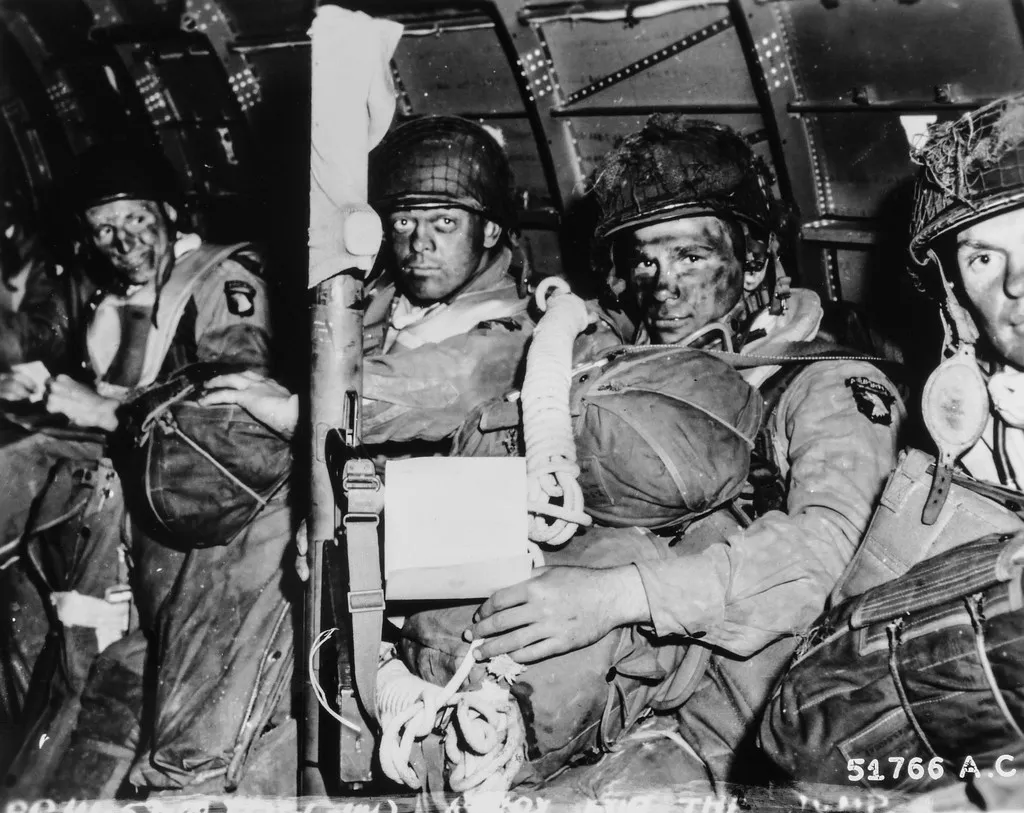
The Brécourt Manor assault was a small-unit D-Day attack on June 6, 1944, in which about a dozen Easy Company paratroopers of the 101st Airborne Division, later reinforced by a handful of men from other companies, silenced four German 105mm howitzers that were shelling Utah Beach. First Lieutenant Richard “Dick” Winters led the action with 12 men from Easy Company, joined by paratroopers from Dog, Able, and Fox companies. The assault is still studied at West Point as a model of small-unit tactics against a fortified position.
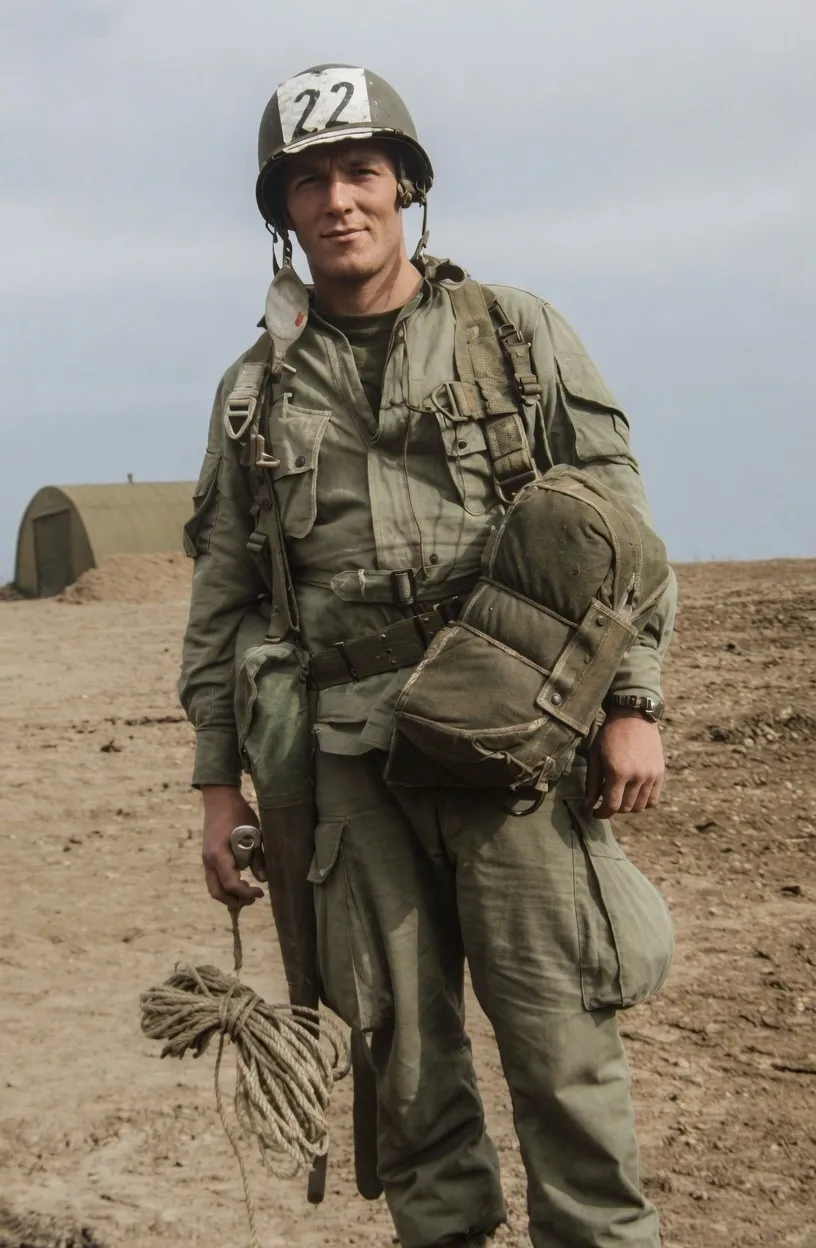
What was the Brécourt Manor assault?
The Brécourt Manor assault was a U.S. paratrooper attack on a four-gun German artillery battery near Le Grand Chemin in Normandy, about 5 kilometers southwest of Utah Beach. It took place during the early hours of D-Day, June 6, 1944. The guns belonged to No. 6 Battery of Artillerie-Regiment 191 and were positioned to shell Utah Beach as the seaborne invasion came ashore. Twelve men from Easy Company, 2nd Battalion, 506th Parachute Infantry Regiment carried out the main attack under Lieutenant Dick Winters, supported by paratroopers from three other companies. The action lasted roughly three hours and ended with all four guns destroyed or captured.
Why was Brécourt Manor a target on D-Day?
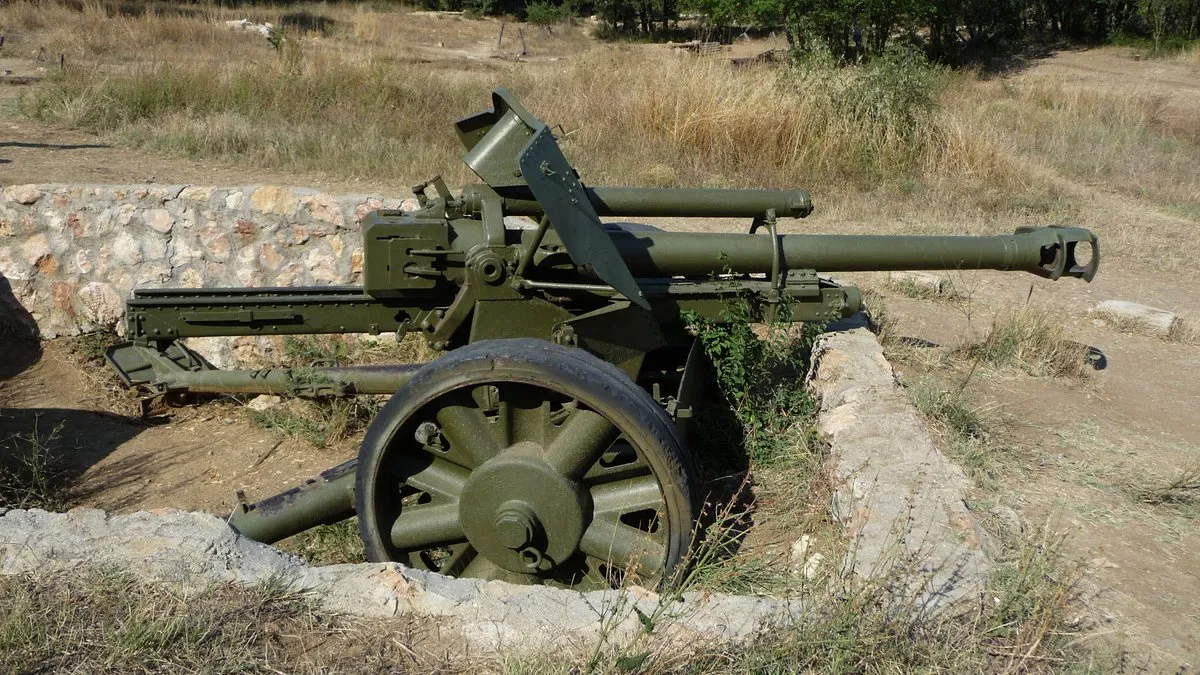
The four 105mm howitzers at Brécourt Manor were registered on Causeway 2, one of the four wooden ramps that 4th Infantry Division troops needed to cross after landing at Utah Beach. Direct artillery fire on a single causeway could have stalled the entire Utah landing. The German battery was hidden in hedgerows behind Brécourt farmhouse, dug into a long curving trench line, with machine gun positions covering each gun. Standing orders for any 101st Airborne unit that encountered the battery were straightforward: take it out fast.
When Easy Company’s commander Lieutenant Thomas Meehan was killed in the C-47 crash during the night drop, command of the company fell to Winters, who was 26 years old and still a first lieutenant.
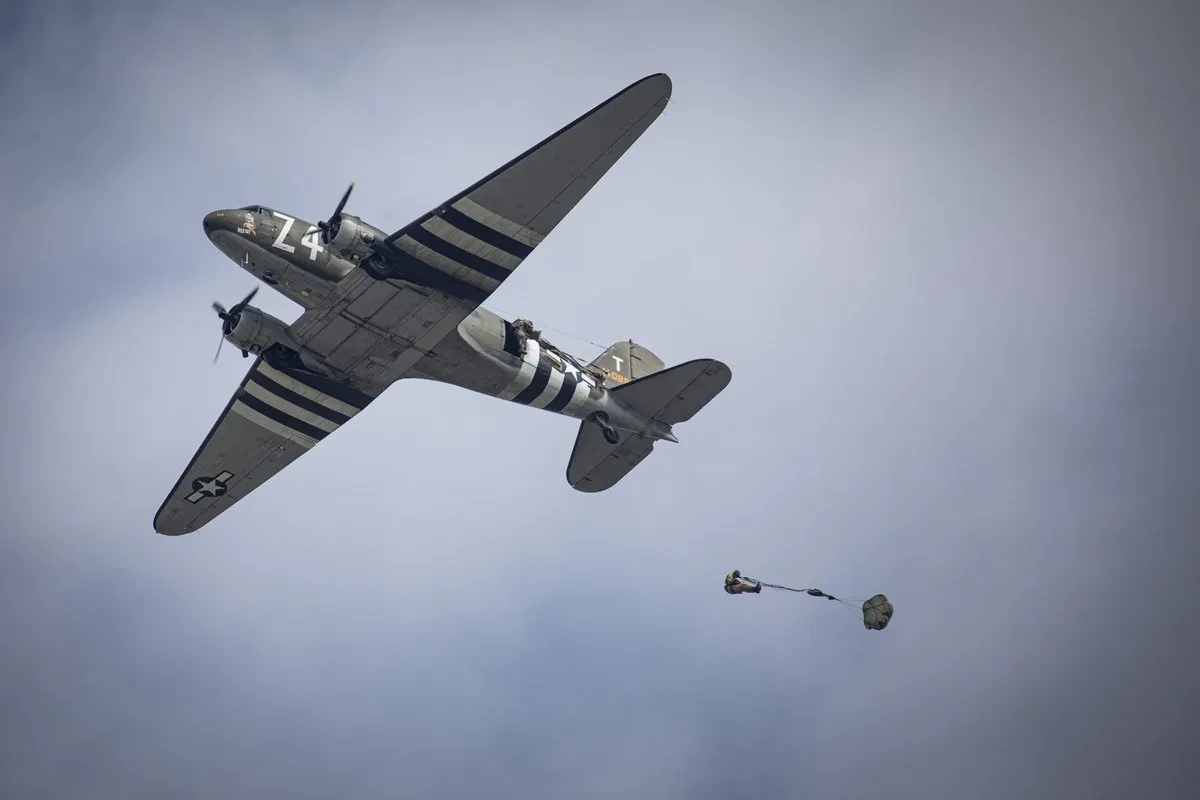
How many paratroopers attacked the German guns?
About a dozen Easy Company men made the attack, joined later by reinforcements from other companies of the 506th Parachute Infantry Regiment. Winters’s memoir and Stephen Ambrose’s Band of Brothers give this picture:
- 12 paratroopers from Easy Company (including Winters)
- Lieutenant Ronald Speirs of Dog Company and five men he brought forward, among them “Rusty” Houch of Fox Company, who was killed
- Two troopers from another company, one of whom, John D. Hall, was killed taking the third gun
The German position was held by about 50 men, the gun crews of Artillerie-Regiment 191 and, according to Ambrose, a platoon from Colonel von der Heydte’s 6th Parachute Regiment. That left the paratroopers outnumbered more than 2-to-1 against a dug-in enemy with overlapping machine gun fire.
What was Dick Winters’ tactical plan?
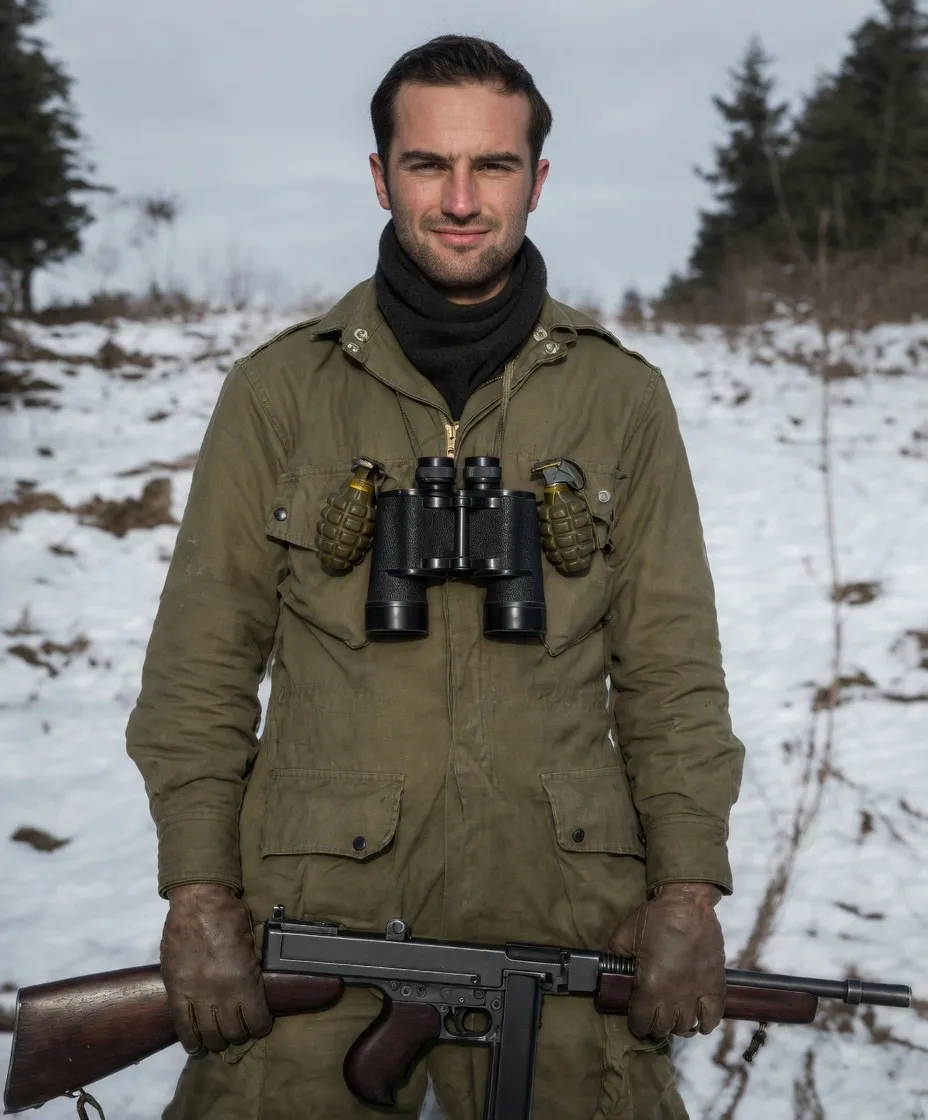
Winters built the assault around three principles he applied in roughly 15 minutes of planning: suppress the battery with covering fire, take each gun one at a time, and never let the Germans concentrate against a single American position. He personally conducted a solo reconnaissance crawl forward to map the trench line before committing his men.
The plan unfolded in three coordinated phases:
- Suppression. Two .30 caliber machine guns were placed in hedgerow positions to fix the Germans behind the trench line.
- Flanking through irrigation ditches. Small assault teams moved up sunken ditches that ran along the battery’s left flank, staying below the German line of fire.
- One gun at a time. The first gun was rushed with grenades and rifle fire, then immediately disabled by jamming a TNT block into the breech. The team then moved to the second gun, then the third, repeating the pattern.
The repeating pattern is what made the action a textbook attack: small force, single point of pressure, methodical reduction.
Did Easy Company knock out all four guns?
No. Easy Company silenced the first three guns. The fourth gun was destroyed by Lieutenant Ronald Speirs of Dog Company, who arrived later in the morning with a separate squad. The HBO miniseries Band of Brothers compresses this for screen time and shows Speirs sprinting through fire alone to reach the last gun. In reality, Speirs brought his Dog Company team forward and led the final assault with their support.
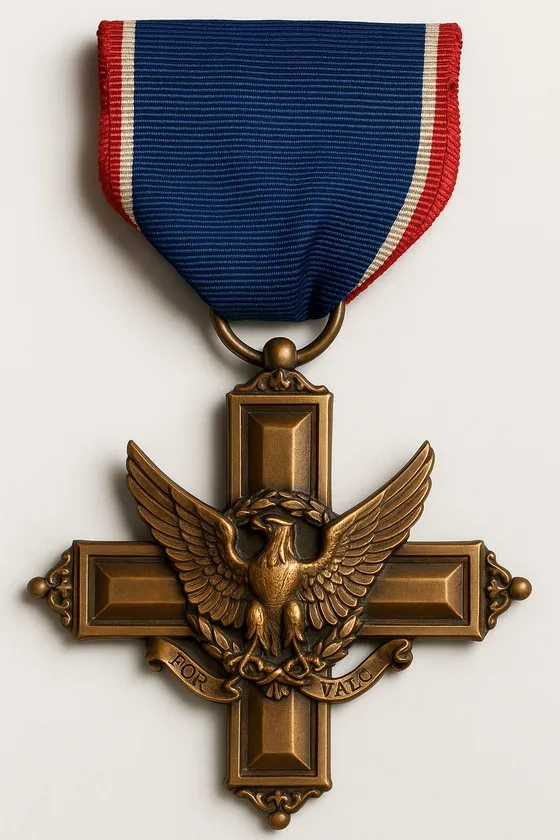
Winters’ DSC citation captures the breakdown plainly: he and his men silenced three of the four guns; the last was taken by Dog Company.
How many Americans and Germans died at Brécourt Manor?
Winters recorded four Americans killed and six wounded; Ambrose gives four killed and two wounded. Both put German losses at fifteen killed and twelve captured, with many more wounded. That lopsided exchange is one of the reasons the engagement gets cited as an outsized small-unit success.
The American dead included PFC John D. Halls of Able Company, who supplied TNT to the assault teams and was killed by a German land mine during the action. Sergeant Robert “Popeye” Wynn of Easy Company was among the wounded, hit in the buttocks while charging a trench. He apologized to Winters for letting the company down before being evacuated.
Why is the Brécourt Manor assault taught at West Point?
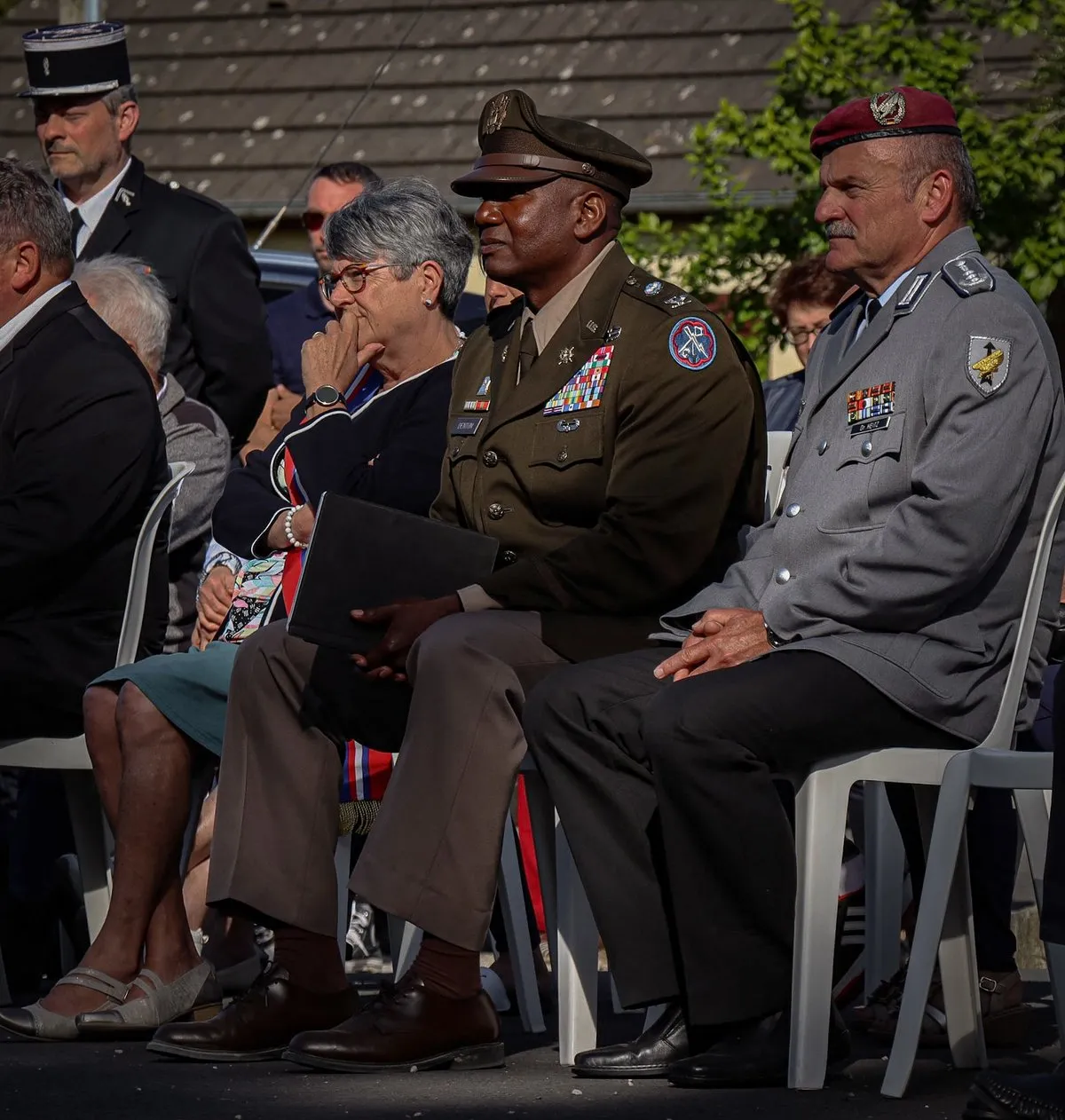
The Brécourt Manor assault is taught at West Point and the U.S. Army Infantry School as a case study in small-unit attack against a fortified position. The lessons drawn from it include leader-led reconnaissance, fire-and-movement against a dug-in enemy, sequential reduction of multiple objectives with a single small force, and disciplined restraint once each gun was disabled instead of pursuing into open ground.
The action is also used in officer leadership programs at Fort Benning and is referenced in the U.S. Army field manual on small-unit tactics. What sets it apart from other D-Day vignettes is the documented intent: Winters explained his decisions step by step in his after-action report, which gives instructors a rare window into a junior officer’s thinking under fire.
Did Dick Winters get the Medal of Honor for Brécourt Manor?
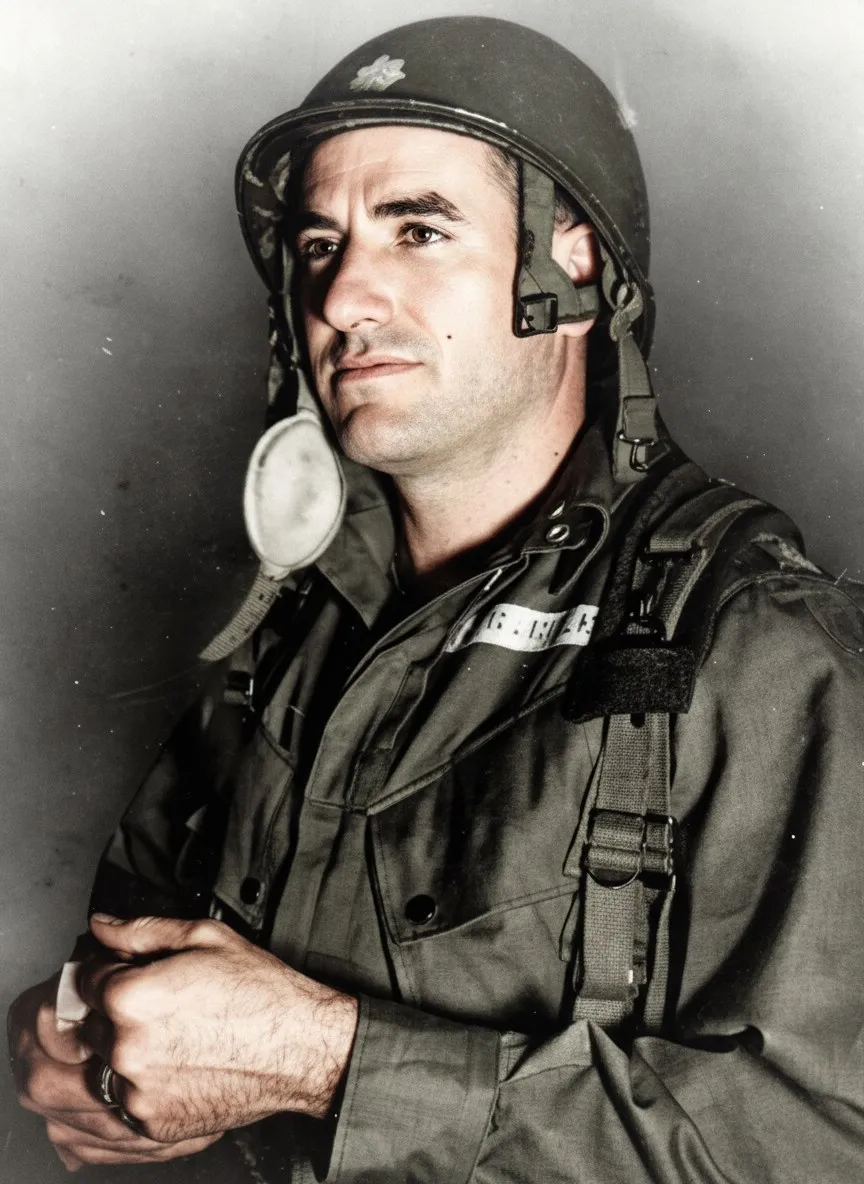
No. Dick Winters was nominated for the Medal of Honor by Colonel Robert Sink, commander of the 506th Parachute Infantry Regiment, but the recommendation was downgraded to the Distinguished Service Cross. The reason was an unwritten policy that each U.S. Army division would receive only one Medal of Honor for the Normandy campaign. The 101st Airborne Division’s Medal of Honor went to Lieutenant Colonel Robert G. Cole for his bayonet charge at Carentan four days later.
A 2005 congressional bill, H.R. 796, sought to upgrade Winters’ DSC to the Medal of Honor. The bill died in committee. Winters himself never lobbied for the upgrade and reportedly considered the DSC an appropriate award. He died on January 2, 2011, at age 92.
What did the captured German map reveal?
During the assault, Winters’ men recovered a detailed map of every German artillery and machine gun position covering Utah Beach. The map was sent up the chain to VII Corps headquarters within hours and is credited with helping naval gunfire and follow-on infantry units neutralize remaining German positions on the beachhead through the rest of June 6. This second-order outcome is rarely mentioned in popular accounts but is documented in the 101st Airborne after-action records.
How accurate is the Band of Brothers episode “Day of Days”?
HBO’s Band of Brothers episode 2 “Day of Days” depicts the Brécourt Manor assault with reasonable fidelity to the tactical sequence but compresses several details for screen time. The episode shows Easy Company taking all four guns and Speirs running alone to the last position. In the historical record, Speirs led a Dog Company squad and the fourth gun was taken with his men supporting the assault, not by him alone.
The episode also shortens the action to roughly 20 minutes of screen time; the actual engagement lasted close to three hours from the first contact to the fourth gun being disabled. Names of participants and the role of the captured German map are largely accurate.
Can you visit Brécourt Manor today?
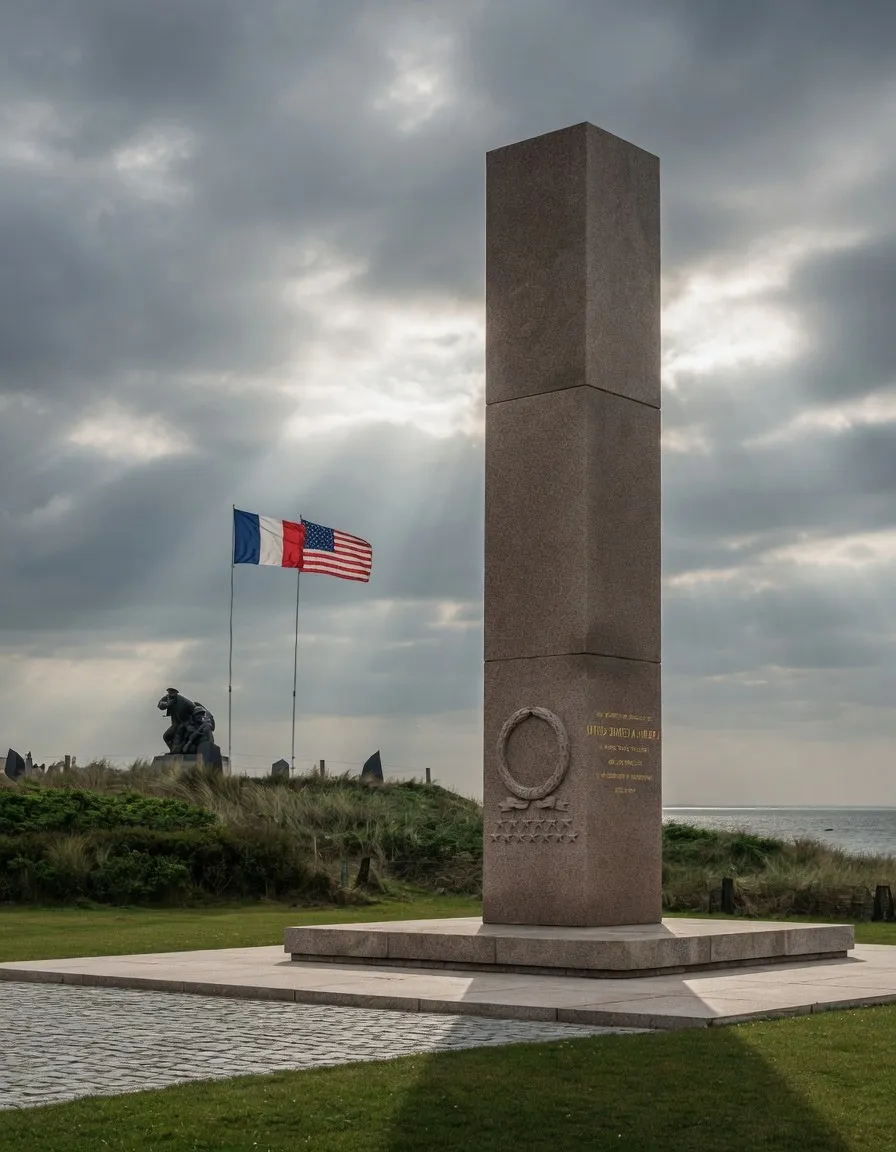
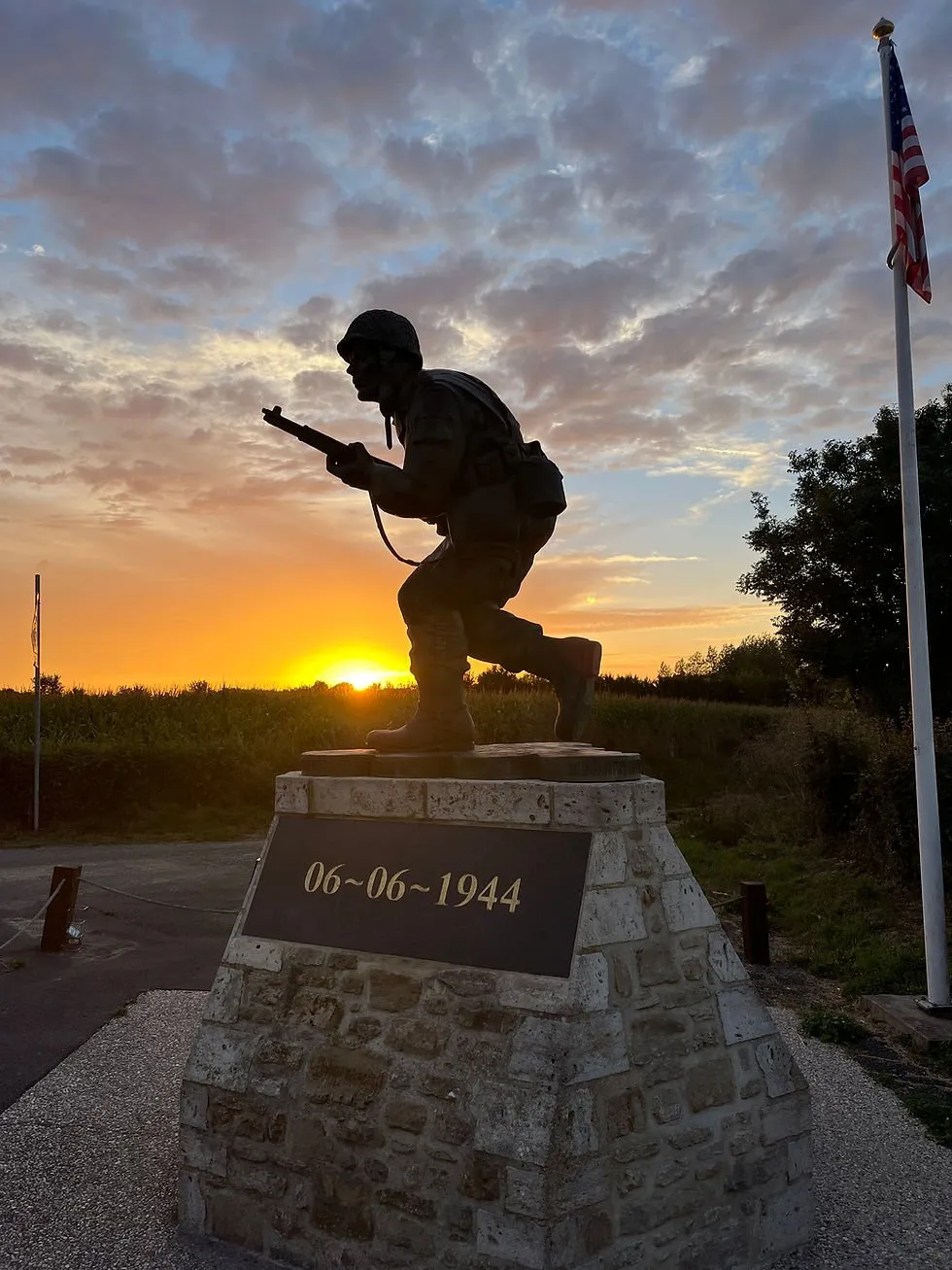
Yes. Brécourt Manor is a private working farm in the commune of Sainte-Marie-du-Mont in Normandy, France. The Brécourt family still owns the property. The fields where the guns were positioned are accessible from the road, and several memorial plaques mark the action. The farmhouse itself is not open to the public, though the family has occasionally granted access to military groups and battlefield tours during D-Day anniversary weeks.
The site is about 5 kilometers from the Utah Beach Museum at Sainte-Marie-du-Mont, which makes it a common stop on guided Band of Brothers tours of the 101st Airborne sector.
Brécourt Manor assault FAQ
How long did the Brécourt Manor assault last?
The action lasted roughly three hours from first contact with the German outpost at about 8:30 a.m. to the fourth gun being disabled around noon on June 6, 1944.
What rank was Dick Winters during the assault?
Winters was a First Lieutenant on June 6, 1944. He was promoted to Captain on July 1, 1944, partly in recognition of the Brécourt action, and was later promoted to Major before the war ended.
Were the Brécourt guns actually firing on Utah Beach?
Yes. American after-action reports and German records both confirm the No. 6 Battery was firing observed rounds onto Utah Beach Causeway 2 on the morning of June 6 before the assault silenced it.
Who else from Easy Company received decorations for Brécourt?
Lynn “Buck” Compton, William “Wild Bill” Guarnere, and Gerald Lorraine received the Silver Star. Donald Malarkey, Joe Toye, Robert “Popeye” Wynn, Carwood Lipton, and at least seven others received the Bronze Star. Lieutenant Ronald Speirs of Dog Company received a Silver Star for the action against the fourth gun.
How far was Brécourt Manor from Utah Beach?
Brécourt Manor was about 5 kilometers southwest of Utah Beach, near Le Grand Chemin in Normandy. The four 105mm howitzers there were registered on Causeway 2, one of the wooden ramps 4th Infantry Division troops needed to cross after coming ashore on the morning of June 6, 1944.
What guns were at Brécourt Manor?
The German position held four 10.5 cm leFH 18 howitzers, the standard 105mm field gun, belonging to No. 6 Battery of Artillerie-Regiment 191. The guns were dug into a curved trench line behind the Brécourt farmhouse, with machine gun positions covering each one, and were firing on Utah Beach when the assault began.
Who owns Brécourt Manor today?
The Brécourt family still owns the property. It remains a private working farm in the commune of Sainte-Marie-du-Mont in Normandy, France. The fields where the guns were positioned are visible from the road and marked by memorial plaques, but the farmhouse itself is not open to the public.
Is the Brécourt Manor assault a true story?
Yes. The Brécourt Manor assault was a real D-Day action on June 6, 1944, in which Lieutenant Dick Winters led Easy Company paratroopers against a four-gun German battery shelling Utah Beach. It is documented in U.S. Army after-action reports, Winters’ Distinguished Service Cross citation, and Stephen Ambrose’s book Band of Brothers.
Who played Dick Winters in Band of Brothers?
Damian Lewis played Lieutenant Dick Winters in HBO’s 2001 miniseries Band of Brothers. The role earned Lewis a Golden Globe nomination. He met Winters and read his journals while preparing for the part, and the episode “Day of Days” centers on Winters leading the Brécourt Manor assault.
What time did the Brécourt Manor assault take place?
The assault took place on the morning of June 6, 1944. First contact with the German outpost came at roughly 8:30 a.m., and the fourth gun was disabled around noon. The action lasted close to three hours from start to finish.
Sources
- Ambrose, Stephen E. Band of Brothers: E Company, 506th Regiment, 101st Airborne from Normandy to Hitler’s Eagle’s Nest. Simon & Schuster, 1992.
- Winters, Richard with Cole C. Kingseed. Beyond Band of Brothers: The War Memoirs of Major Dick Winters. Berkley, 2006.
- U.S. Army. Distinguished Service Cross citation for Richard D. Winters, June 6, 1944.
- Brécourt Manor Assault. Wikipedia entry.
- Congressional Record. H.R. 796 (109th Congress, 2005), Medal of Honor for Dick Winters.
- Warfare History Network. “Screaming Eagles At Brécourt Manor.”
Sources: Brécourt Manor Assault, Wikipedia; Screaming Eagles at Brécourt Manor, Warfare History Network; Richard Winters, Hall of Valor; Lt. Meehan C-47 crash, Normandy War Guide; PFC John D. Halls, Find a Grave; Winters DSC citation, Gettysburg Museum; Robert Popeye Wynn, Wikipedia; Stephen E. Ambrose, Band of Brothers (Simon and Schuster, 1992); Richard Winters with Cole C. Kingseed, Beyond Band of Brothers (Berkley, 2006).
Correction, October 25, 2026: An earlier version of this article put the American force at 23 men, German losses at about 20 killed, and Winters’s promotion to captain on July 2, 1944. Winters’s memoir and Stephen Ambrose’s Band of Brothers give about a dozen Easy Company men, later reinforced, fifteen Germans killed and twelve captured; Winters dates his promotion to July 1.